100 km offshore, southwest of Vancouver Island, British Columbia
Approximately 396 metres
Below the Surface
Entanglements:
A Scientifically Accurate Ocean Circus Show
June 6th — June 7th
Featured Creatures
of Barkley Canyon
Human
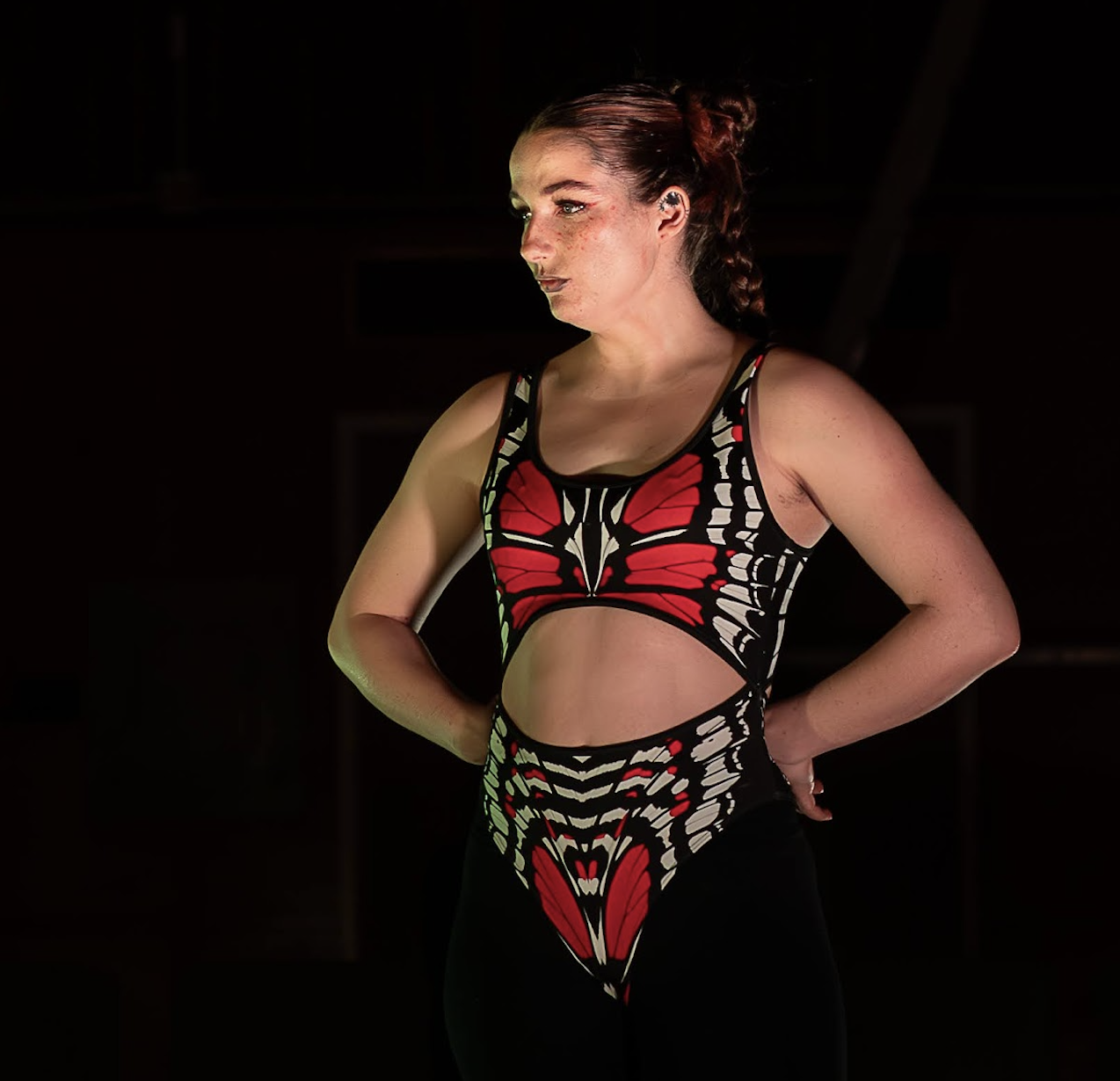
Humans are the most abundant species of primate on the planet and can be found on the majority of landmasses throughout the world, but are not adapted for survival in the deep ocean. They are typically omnivorous and able to consume a wide variety of both plant and animal species, often cultivating rather than foraging for the types of foods they eat. In addition to this, they are extremely social animals, generally living in complex social networks characterized by particular norms of behaviour. Human activities, however, are widely thought to be drivers of global climate change, including the types of ocean warming that lead to deoxygenation.-
Alynne Sinnema has a degree in theatre from Acadia University and is currently obtaining an MA in Applied Theatre from the University of Victoria. Since then, she has performed internationally. Alynne has experience as a juggler and aerial performer. Particularly aerial silks, but she has dabbled in hoop, trapeze and rope as well. Alynne also has a long experience with dance, taking 15 years of vaganova ballet, 10 years of various hip hop styles and several years of contemporary dance as well. Through her degree at UVic, Alynne has also been trained on how to create shows, movement sequences and how to facilitate engaging movement pieces. Fun fact: Alynne is also a professional puppeteer and has worked professionally with Mermaid Theatre, both as a performer and puppet builder!
Phantom Jellyfish
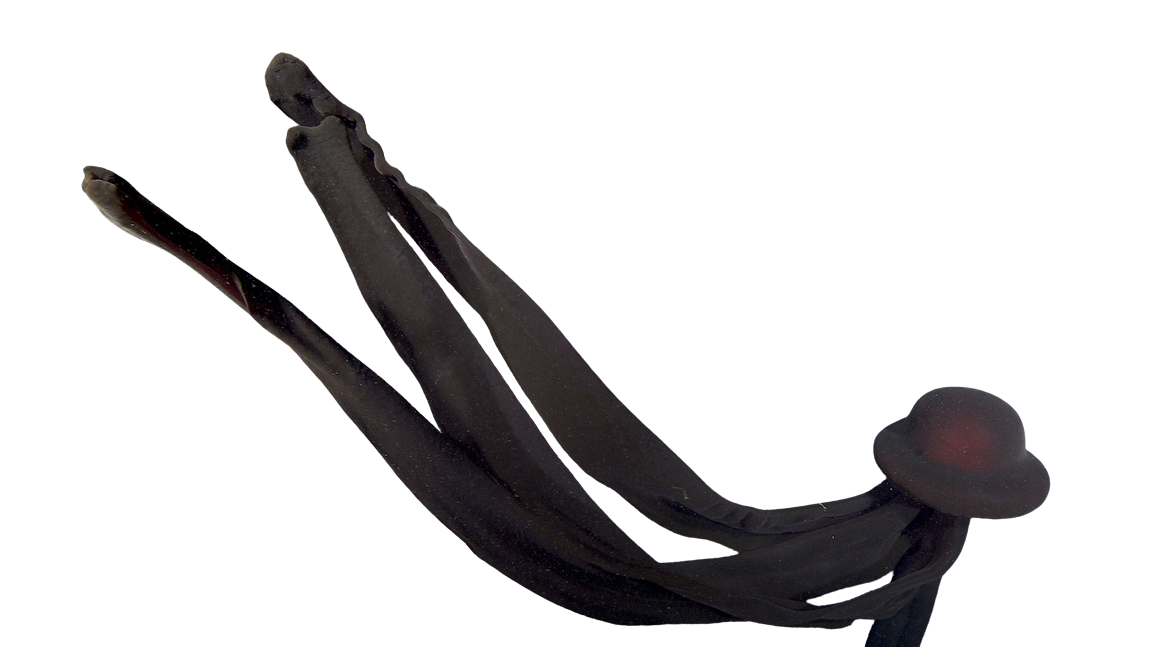
The Giant Phantom Jellyfish is a rarely seen inhabitant of the deep ocean. As their name suggests, they are significantly larger than many other jellyfish species, with a bell over 1 meter across and four ribbon-like arms that are able to grow to 10 meters in length. Though they have been spotted in many oceans throughout the world, their preference for living in the “midnight zone”, a part of the ocean stretching from about 1,000 – 4,000 meters in depth, has made encounters with them very rare. Jellyfish as a species are very well adapted to low oxygen environments.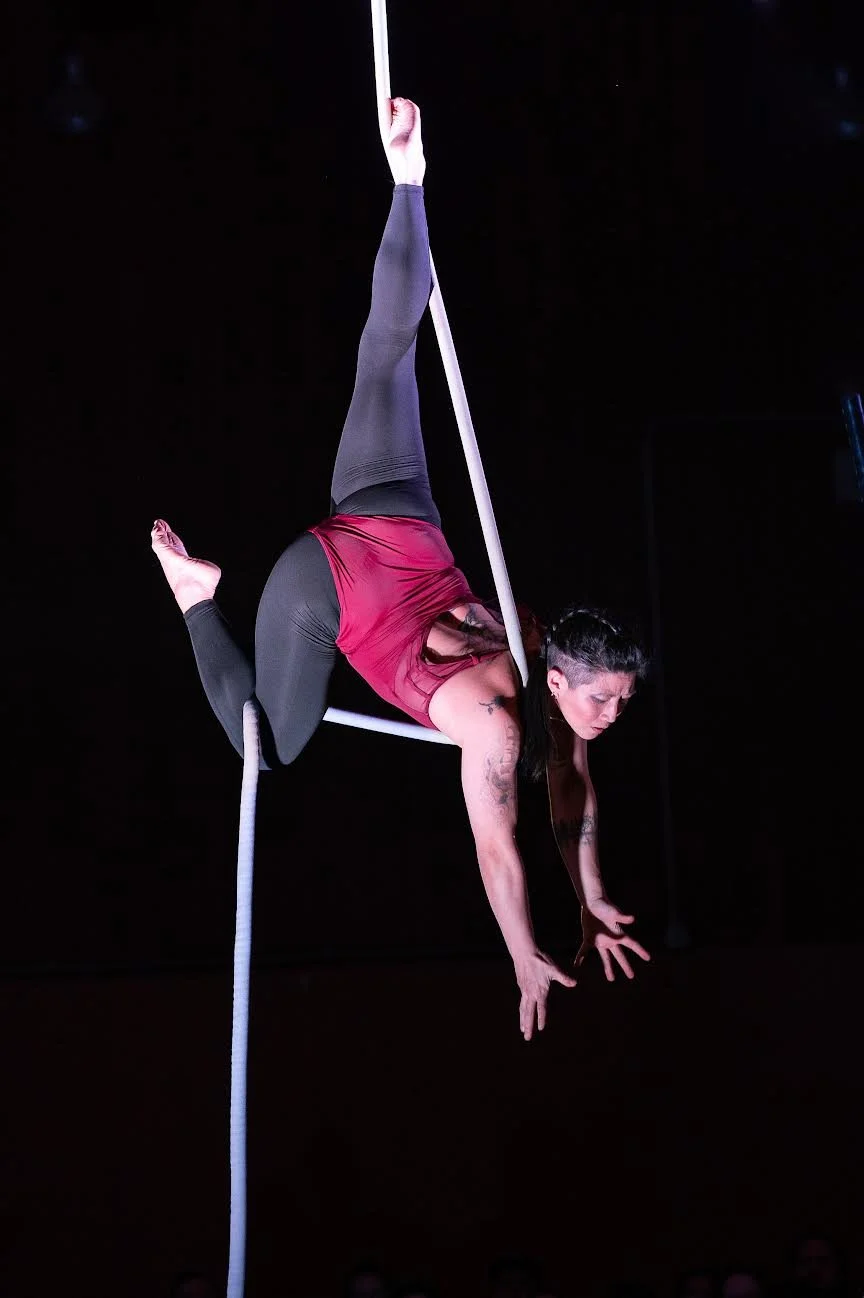
-
Audrey is a multidisciplinary circus artist whose movement practice and performances tend to explore unusual shapes and pathways, most frequently performing on aerial trapeze and rope. Their movement background is largely in martial arts, having competed for years in taekwondo, with some wushu and kickboxing in the mix. They are now enjoying being their weirdest self as a circus performer, in a discipline where nobody is trying to kick them in the head.
Feather Star
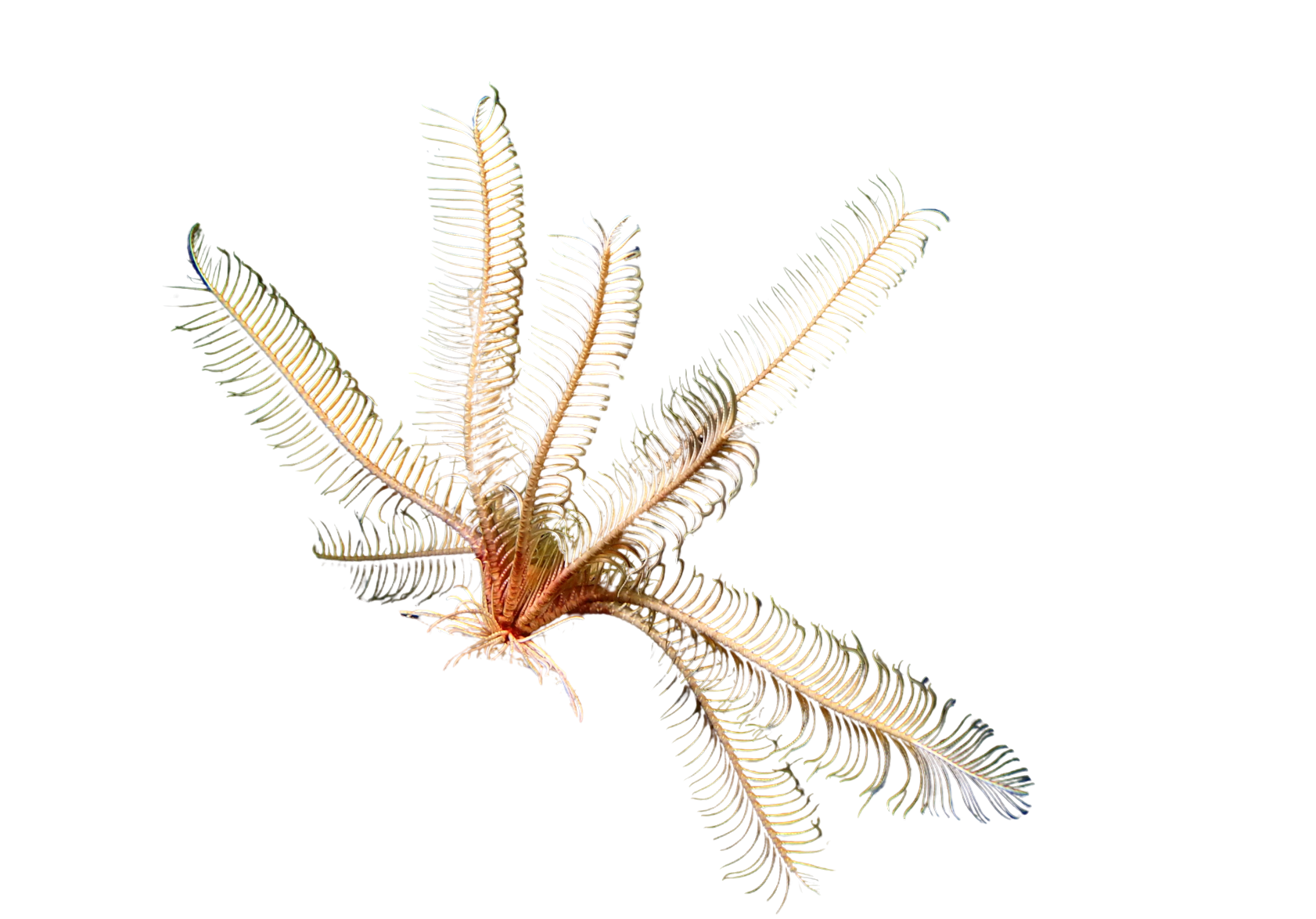
Feather Stars are crinoids, marine invertebrates related to sea stars. True to their name, they have five feathery arms that they use for both feeding and swimming. Their movement has been described by some observers as swimming as though “walking up an invisible staircase”. However, while they are incredible swimmers, their main way of moving around is crawling – they typically only swim in response to ocean currents or touch from a potential predator. They do not do well in low oxygen environments, and will avoid them or move away if at all possible.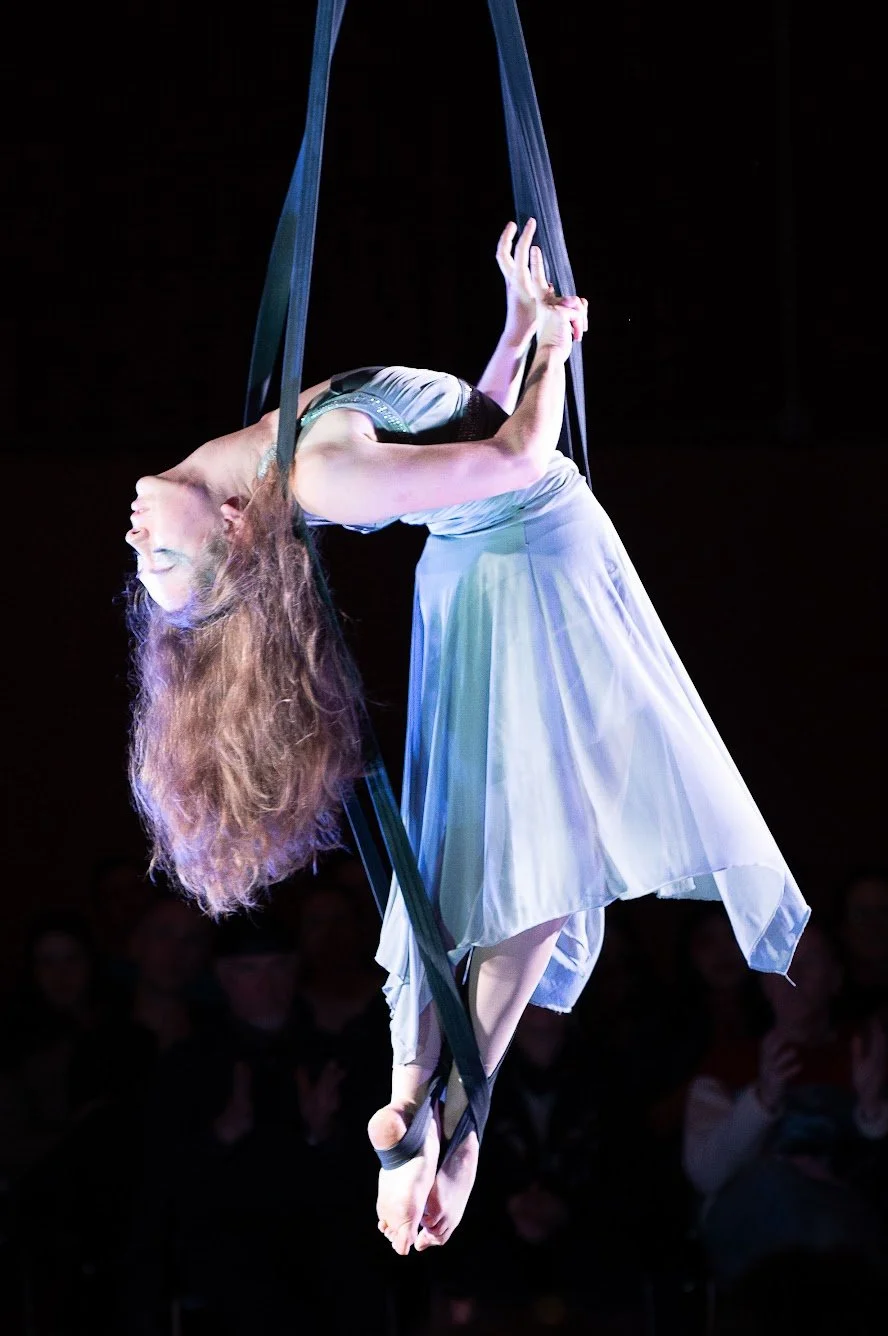
-
Ruth comes to circus from a background in ballet and theatre, tree-climbing and merry-go-rounds, and spinning dizzy circles on anything that can move. She has dabbled in most of the aerial arts but now spends most of her time on straps. By day Ruth is a climate scientist, and when she's doing neither research nor circus she can be found gardening, knitting, or escaping into the woods.

Giant Pacific Octopus
Octopuses are incredible animals with 3 hearts, 9 brains, and specialized skin that can change shape and colour! The Giant Pacific Octopus is the largest octopus species and is a well-known predator, feeding on many things like crabs, fish, and squid. They can move along the seafloor by crawling and using their arms but can also swim very fast through the water column using jet propulsion. Scientists have even seen them use the large webbing between their arms to spread out like a parachute and then trap prey! Although they can move in these incredible ways, they are normally quite ‘chill’ animals that like to hang out in their dens. The Giant Pacific Octopus is able to live within a low oxygen environment due their specialized, copper-base blood, called hemocyanin, but can move to more oxygenated water if needed.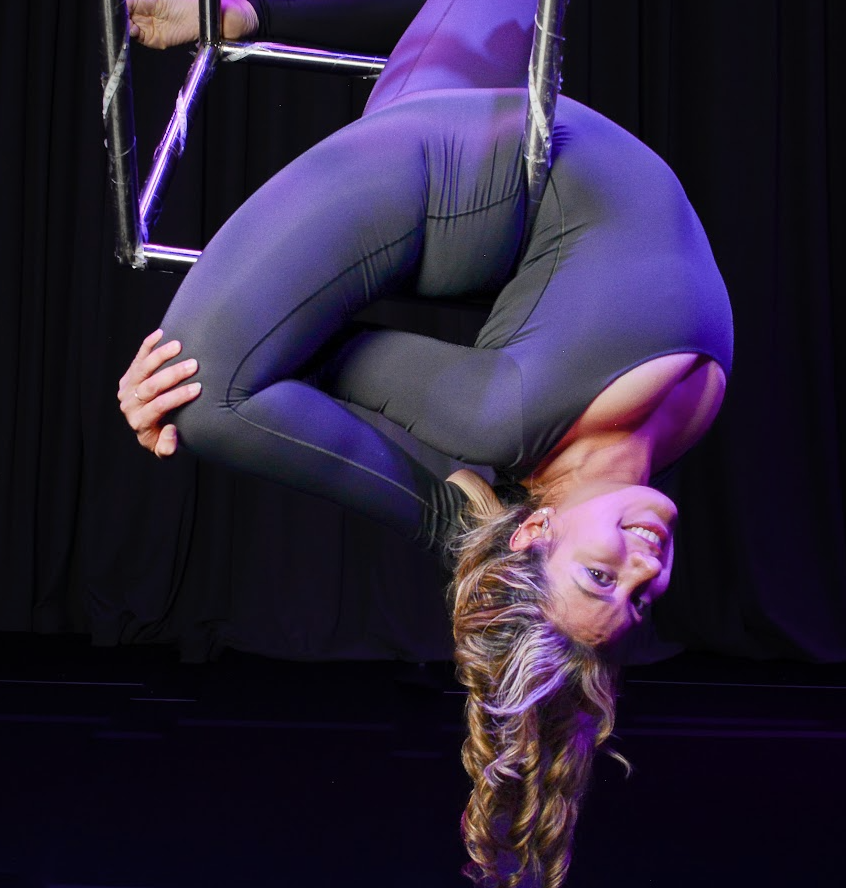
-
Since Adi was a child she has always enjoyed the freedom that flexibility gives to her body. Although Adi was born with a naturally flexible body she had to work to become a contortionist! She began training when she was 21, and through her experience, she knows you can always improve your flexibility, you just need to actually do the work! This is why she teaches. She wants others to know that they can improve too, that it is possible, and that she can guide them through it, it is just a matter of discipline.
Adi is a graduate of The National Circus School's (ENC) Coaching Program in Montreal. She has a technical degree in performing arts from the University of Guadalajara. She has had extensive contortion training with Oyuna-Erdene Senge, a Cirque du Soleil contortionist since 2004, and flexibility and strength training with Juan Luis Gonzales, a former coach with Cirque du Soleil. She has also practiced the modalities of gymnastics, acrobatics, and yoga, furthering her understanding of the body arts.
Sablefish
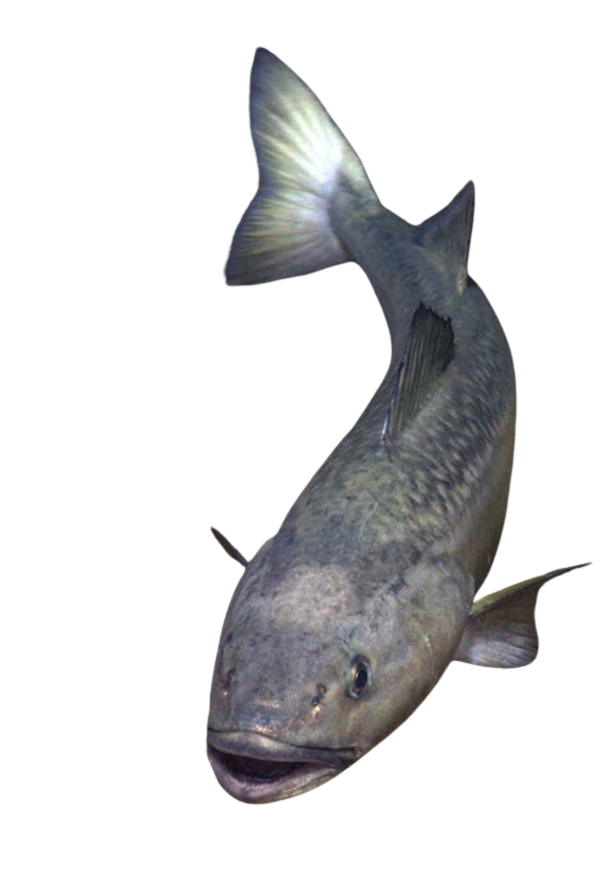
Sablefish have a slim, elongated body covered with small scales. They have a large mouth filled with very small teeth and a tail with a slight indent. Adult sablefish are opportunistic feeders, preying on other fish, as well as squid, euphausiids, and jellyfish. As adults they mostly stay on the seafloor during the day and then migrate up into the water column at night to feed. For mobile fish species, they are remarkably tolerant of low oxygen environments. Sablefish are long-lived, with a maximum recorded age of 94 years.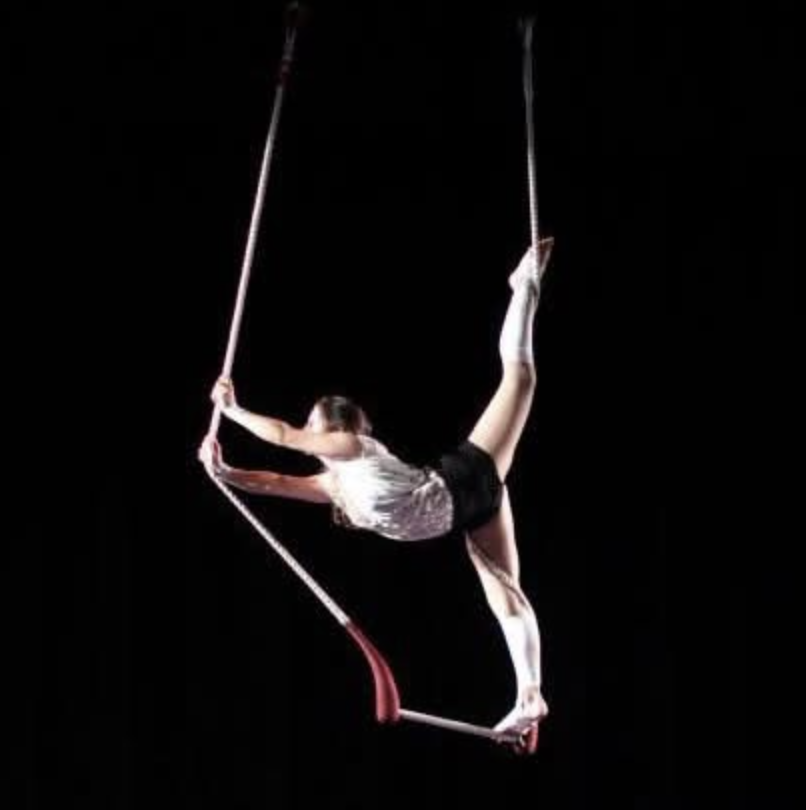
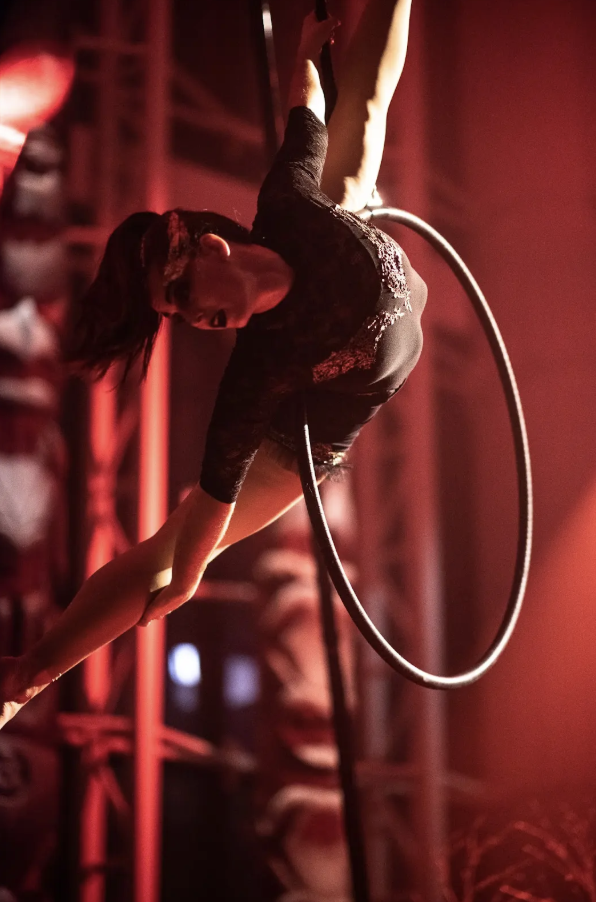
-
I have been multidisciplinary dance and circus performer since I was a kid. I first started circus when I was 8 years old and I grew up training and performing and eventually coaching for a small youth circus in California. Although my primary focus these days is on aerial trapeze and my style has changed over the years, circus has always been a core part of my life and something I hope to continue for many many more decades.
I bring a blend of circus, dance, and somatic movement into my performance work. I’m especially drawn to acts that feel alive, expressive, and emotionally resonant—whether that’s through solo movement pieces, ensemble collaborations, or site-specific creations. I’m passionate about performance as a way to build connection, spark curiosity, and celebrate the weird and wonderful parts of being human. -
I started my circus journey with pole fitness and quickly became interested in other circus disciplines including hoop, trapeze, partner acrobatics, handstands, and flexibility. As an ex-gymnast, I enjoyed the blend of creativity, strength, and flexibility involved in circus arts. I’ve been practicing circus arts for over 10 years.
Grooved Tanner Crab
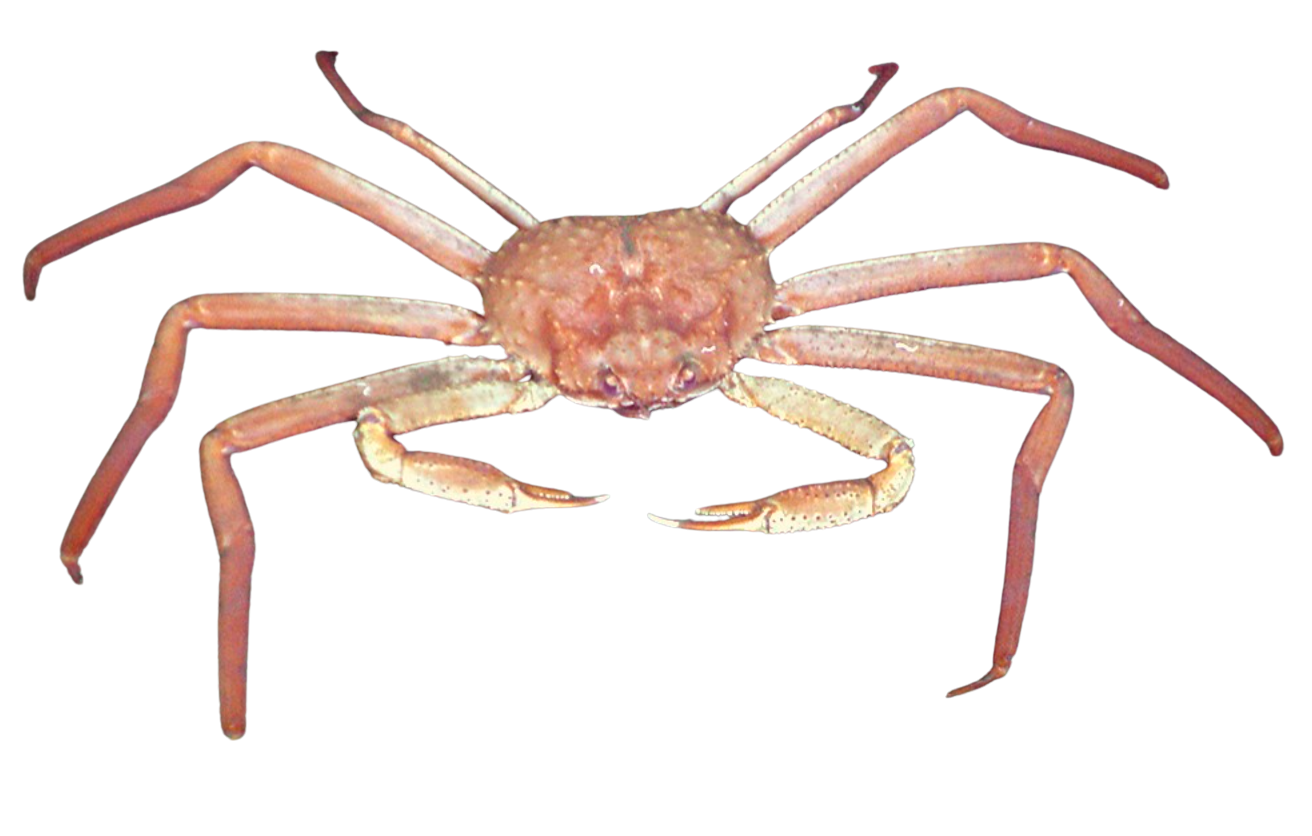
Grooved Tanner Crabs are a type of deep water spider crab, known for their bright red-orange colour, four pairs of long walking legs, and pair of claws. They are generalist feeders that can be considered predators, scavengers, and even detritovores. Their movement, like that of most true crabs is often most efficient when moving sideways. Some of them do live in the oxygen minimum zones, but they can also move to higher oxygen areas.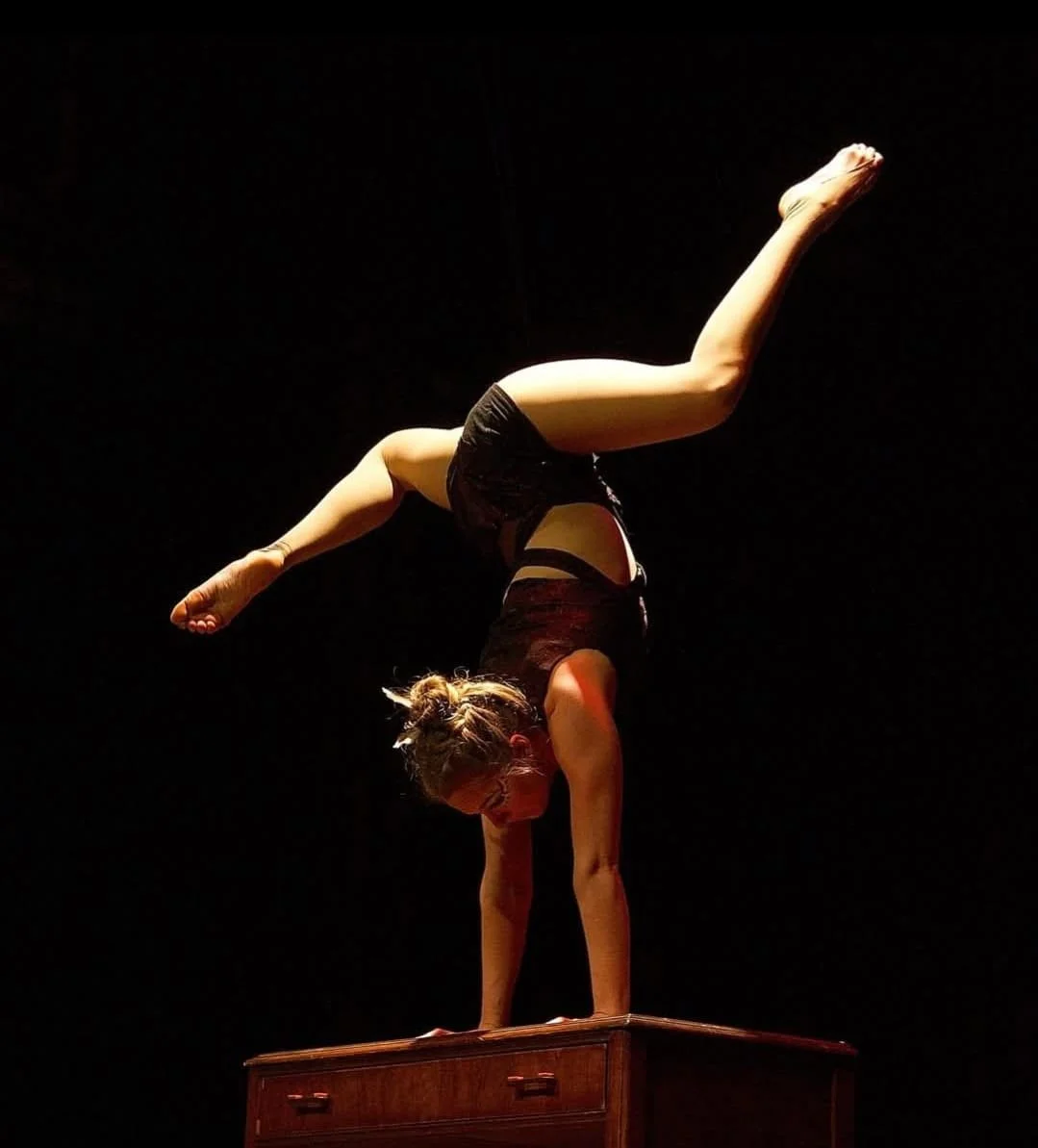
-
Bar hails from Massachusetts, and began performing nearly 20 years ago - crisscrossing the United States by veggie oil-powered school bus in amateur 'post-apocalyptic' circus shows. She went on to formally train and perform as a handbalancer at the New England Center for Circus Arts (NECCA) from 2012-2014. After a long hiatus, she’s thrilled to find herself upside down once again among the incredible circus and hand-balancing community at the Island Circus Space, and is excited to make her debut on the Canadian seafloor.. I mean, stage!
Zombie Worm
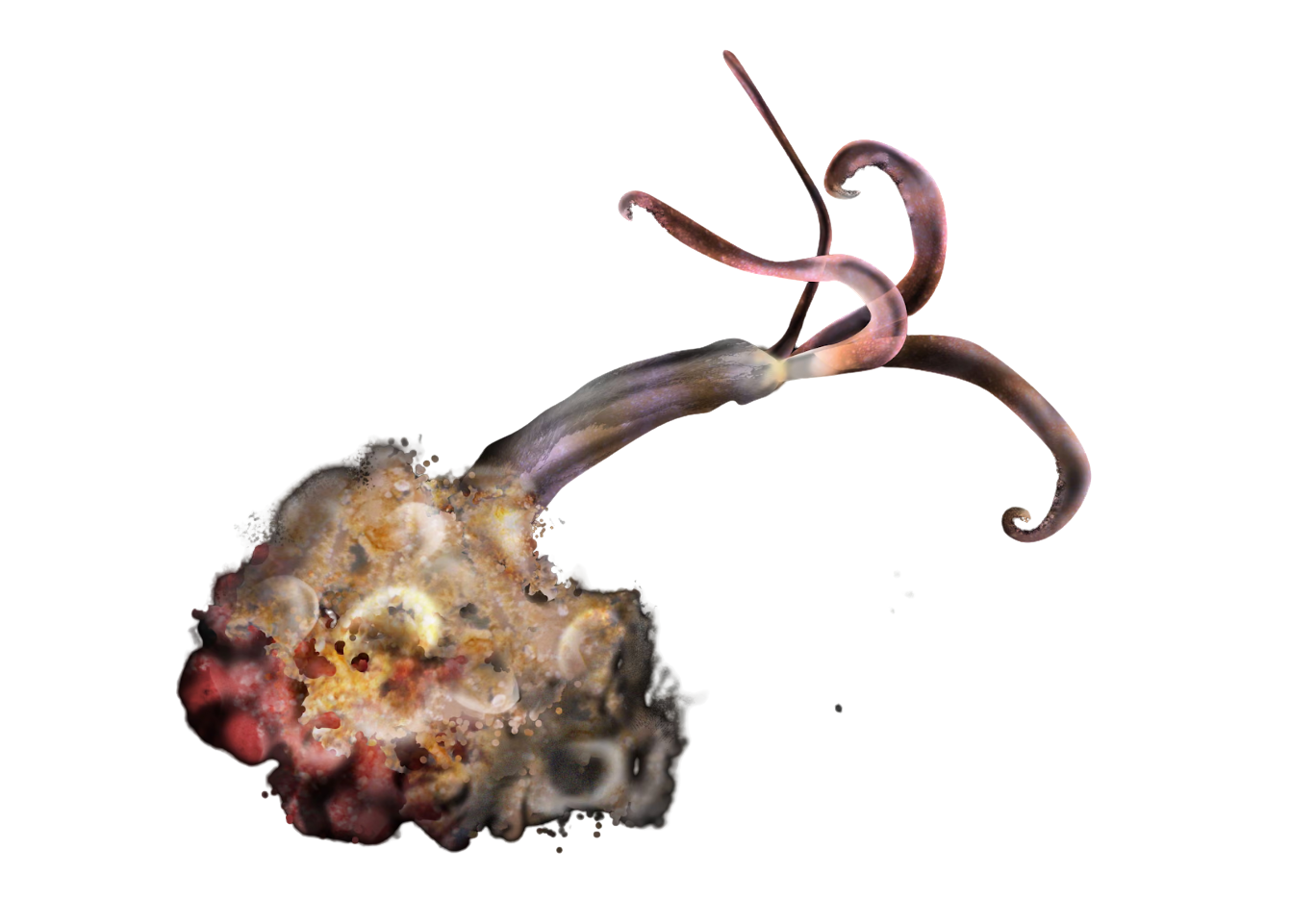
Deep on the ocean floor, the Zombie Worm (Osedax sp.) plays a macabre yet vital role in the cycle of life. These creatures look like tiny, feathery crimson flowers sprouting from the skeletons of sunken whales. Lacking a mouth, stomach, or eyes, they survive through a specialized “root” system that bores into bone by secreting acid. Once inside, they rely on a partnership with symbiotic bacteria to digest the tough fats and proteins locked within the marrow. By breaking down these massive skeletons, Zombie Worms act as essential ecosystem engineers; they recycle nutrients back into the food web and carve out tiny apartment complexes in the bone for other deep-sea residents to inhabit. 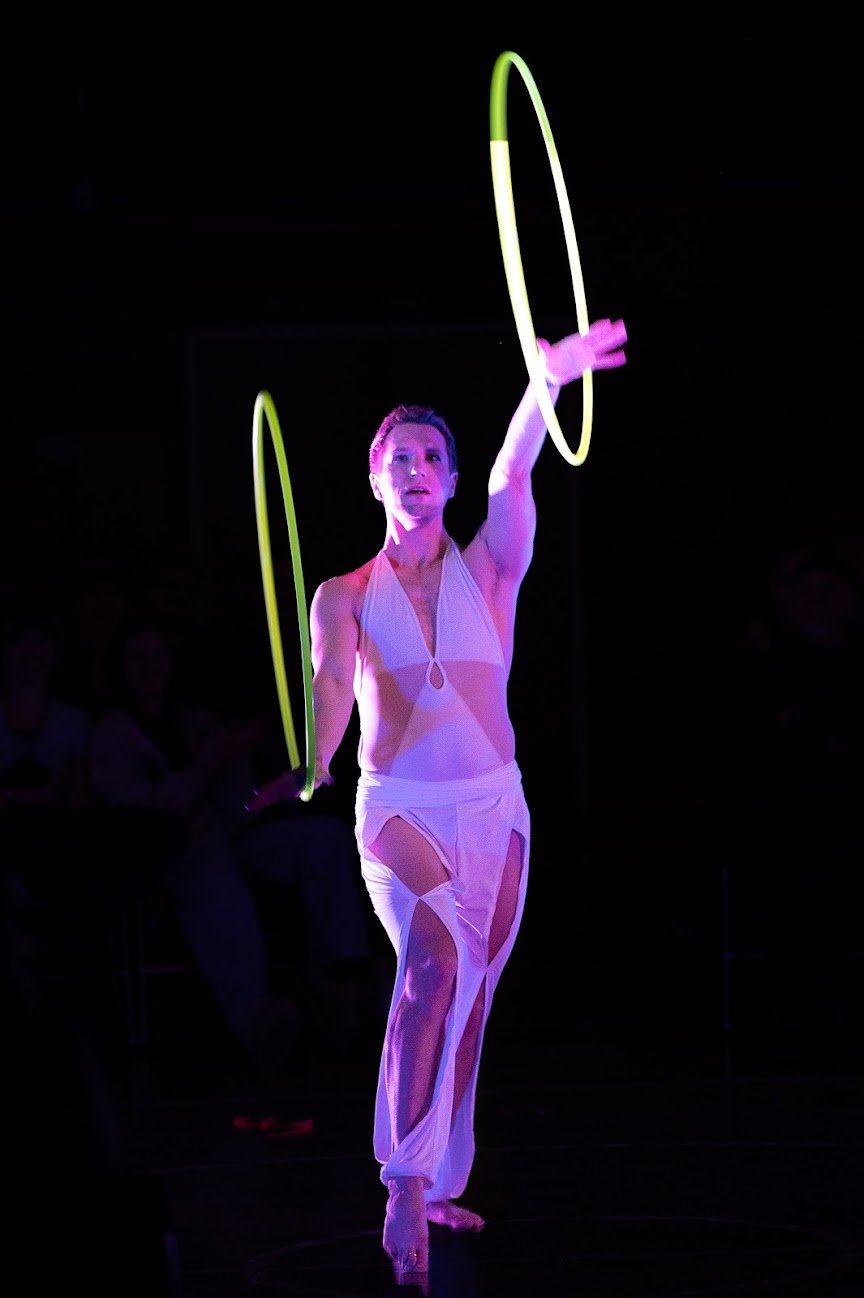
-
Devaiya is an effervescent being who has performed across stages for nearly a decade. With deep connection to movement, expression, and storytelling, Devaiya captivates audiences through flow arts and sensuous movement. Recently, he has deepened his movement practice to include aerial disciplines and more strength training. All of this comes together for him to wow audiences in many different ways, shapes, and forms!
Humboldt Squid
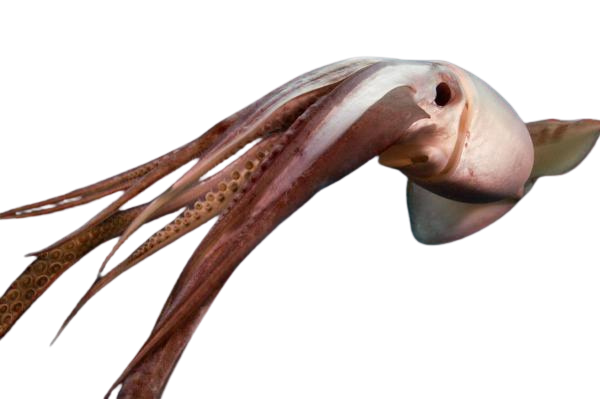
Humboldt Squids are large (over 2 meter!) torpedo-shaped animals with triangular fins at the top of their mantle and 8 arms and two longer tentacles at the other end! They are fast, aggressive predators that use jet propulsion and navigate the water column by combining their powerful siphon jet with fin movement, enabling them to move in any direction. This particular species of squid only started showing up this far north in our region in due to warming waters. Humboldt Squid can tolerate low oxygen by suppressing their metabolism and reducing energy. They also have copper-based blue blood, like the Giant Pacific Octopus. However, these squid will always return to oxygenated shallow waters at night to feed.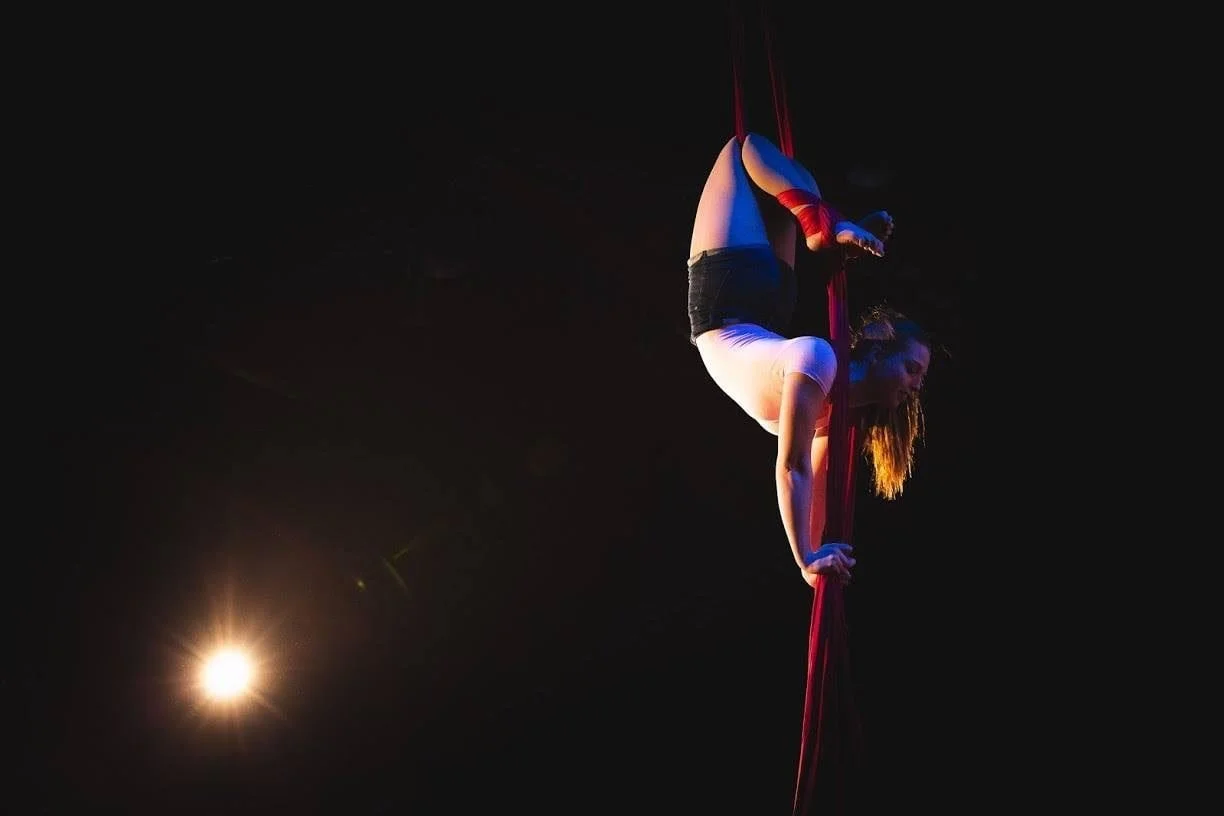
-
Wylee began training aerial silks when Island Circus Space first opened in 2016. Since then, she has expanded her circus practice and now primarily focuses on partner acrobatics. For this show, she returns to aerial silks after a 5 year hiatus reuniting with the apparatus that first stole her heart.
Wylee is performing as a member of the ICS community, and not in her role as an ONC employee.
Glass Sponge
Despite not having any tissues or organs, Glass Sponges are incredible animals who are able to build their bodies into complex matrices of spicules, like 3D building blocks. They are mostly filter feeders with incredibly varied body shapes, who are extremely well adapted to low oxygen environments. If oxygen levels become low enough, however, they will eventually die out as they have no way to move away. Scientists have observed die-offs of glass sponges at a monitoring site that they suspect was tied to an extended low oxygen event. However, without this kind of event, glass sponges can grow to be incredibly old. In fact, the oldest have been estimated to be between 11,000-15,000 years old!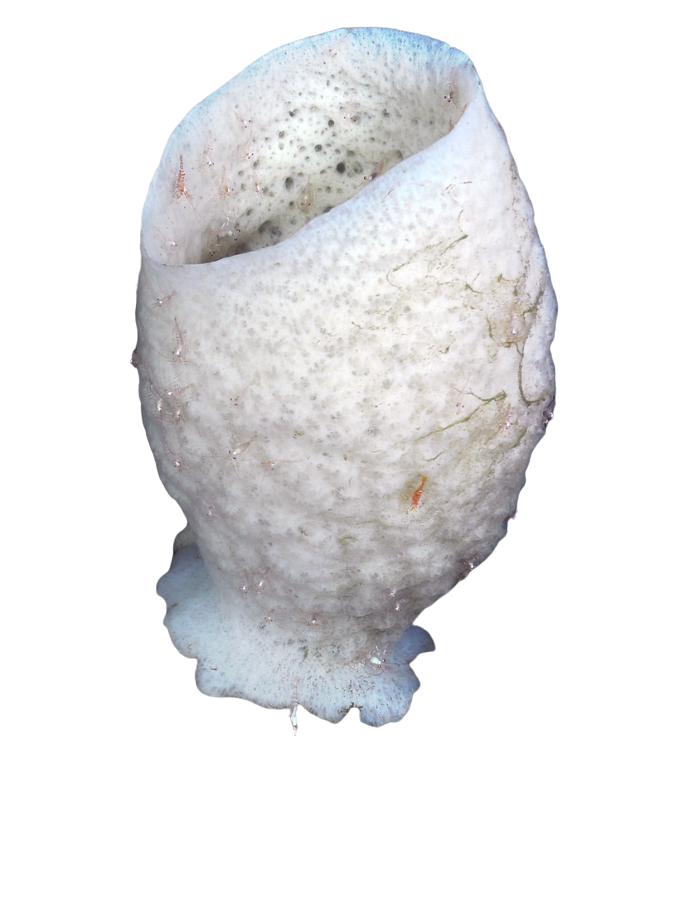
-
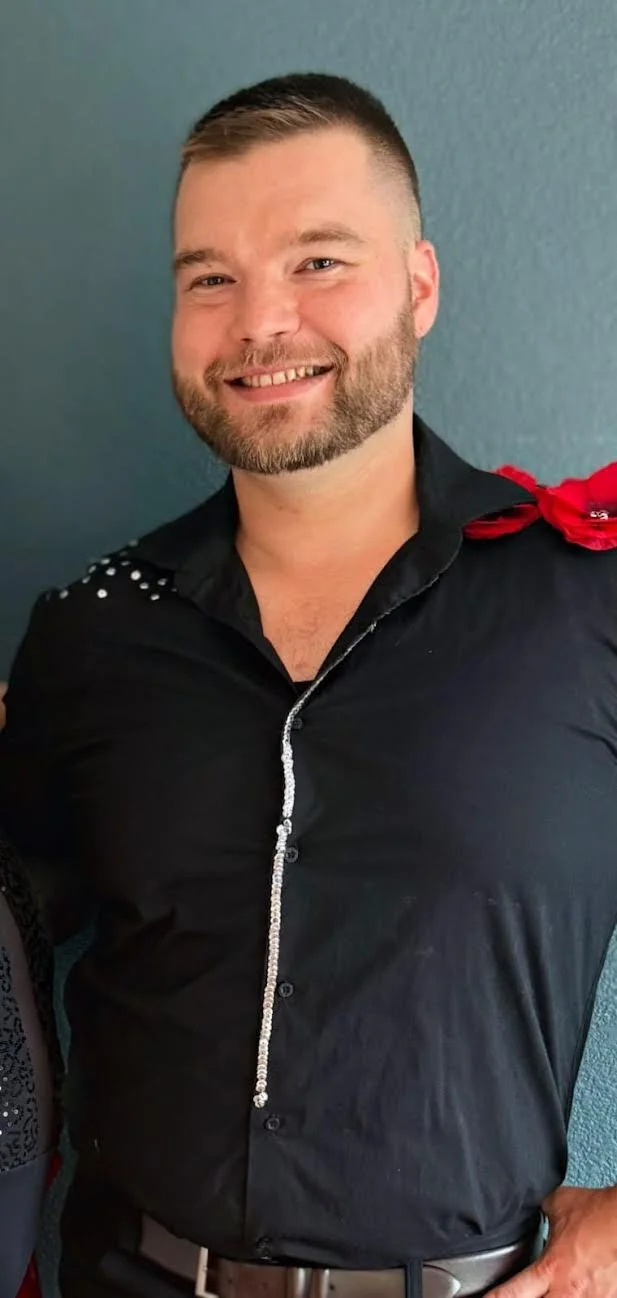
Jordan has been with island circus since December. He trains mostly in partner acrobatics and is dabbling in handstand progression. Having a background in cheerleading he felt right at home with throwing people around.
Conch
-
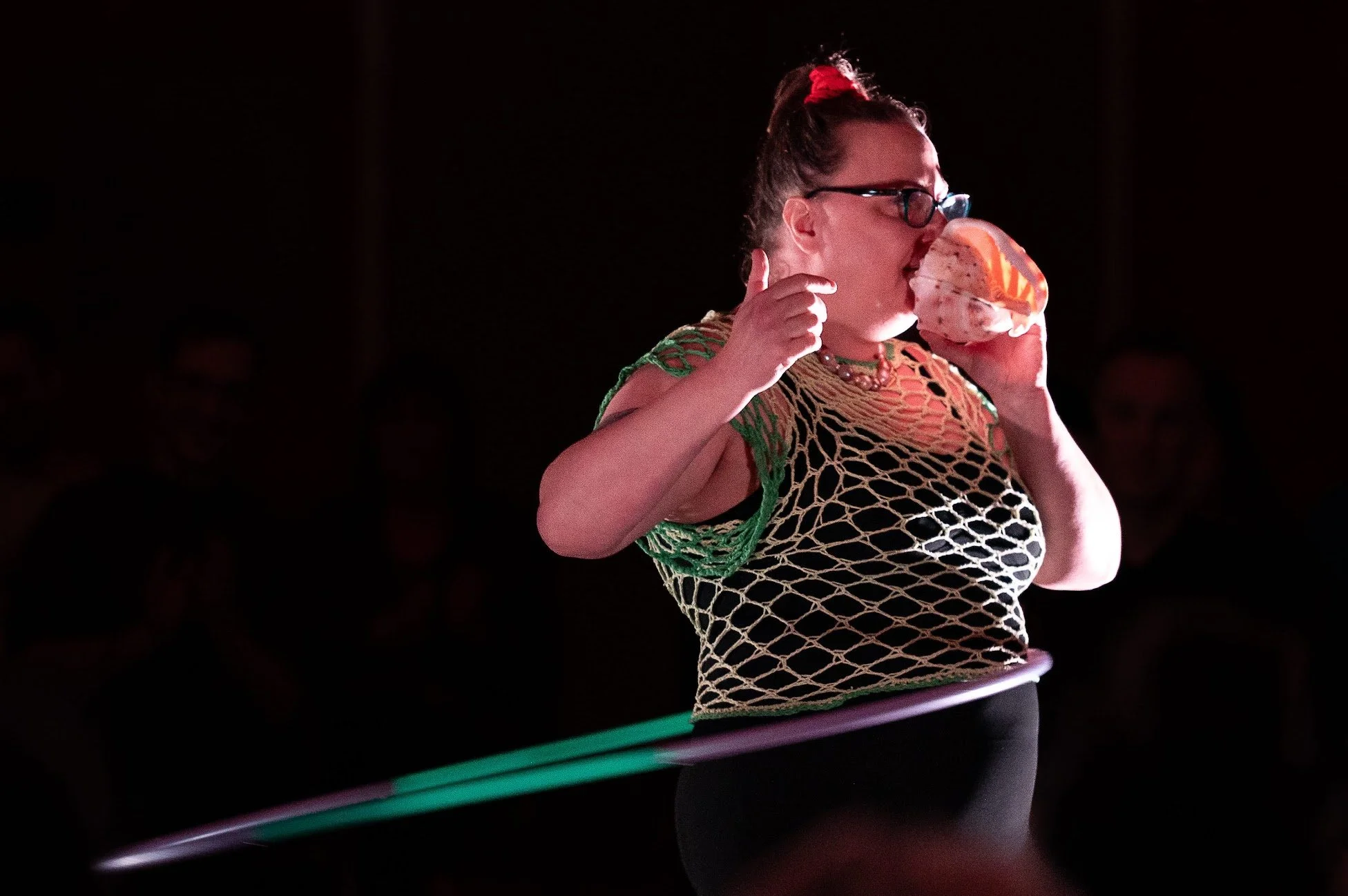
When Alliszon Zaichkowski, a french horn player for the Royal Canadian Navy, was posted back to her home province in 2016, it coincided almost perfectly with the opening of Island Circus Space! After a couple years of training handstands and flexibility, Alliszon’s aerial journey began with lyra and trapeze in 2018. Alliszon focused on lyra for the first 2 years, performing an act as an aerial mermaid on the lyra in early 2020, which included a tune being played on the conch shell. Days after this performance, Alliszon travelled to Key West Florida, where they competed and were announced champion of the annual Conch Shell blowing Contest in 2020. In 2021, she auditioned for Canada’s Got Talent! honking conch shells to the musical stylings of Queen. Since then, Alliszon has performed routines on trapeze, aerial hammock and hula hoops, while also discovering a love for aerial yoga. Alliszon hopes to continue to combine their musical and circus skills in the future.
The Processes
Impacting Barkley Canyon
-
Oxygen arrives with a legacy that predates nearly all ocean life. Born from ancient photosynthetic pioneers, it has spent eons enabling organisms to grow more complex, more mobile, and more interconnected. In today’s seas, Oxygen remains the essential partner of marine life, fuelling metabolism, movement, and survival. Its influence extends from the smallest zooplankton to the largest whales. Its presence determines where species can live and how they grow, hunt, and reproduce.
Though often taken for granted, Oxygen remains the quiet foundation of ocean ecosystems—a constant, generous force whose absence is felt long before it is noticed.
-
Deoxygenation trained in the schools of warming ocean waters, increased stratification and nutrient rich runoff. It has spent much of its life deep below the surface, steadily reducing oxygen levels in regions once rich with marine life. Its influence has grown most rapidly in the tropics and along productive coastlines, where expanding low oxygen zones now disrupt fisheries, migration routes, and biodiversity.
Scientists describe Deoxygenation as a quiet but transformative presence—one that forces ecosystems to adapt, relocate, or decline. Though it never sought recognition, it has become central to understanding the ocean’s future, embodying the cumulative effects of choices made far from the seafloor.
-
Born from the expanding reach of deoxygenated waters, Disruption has built a career on altering the lives of the creatures it encounters. Its early work focused on subtle shifts—nudging species to change their depth, feeding patterns, or activity levels—but as oxygen loss accelerated, so did Disruption’s influence. It now reshapes entire communities, forcing mobile species into compressed habitats, weakening the physiology of those that remain, and unraveling longstanding predator–prey relationships. Though it operates quietly, its presence is unmistakable, revealing how even small chemical changes can cascade through behaviour, survival, and biodiversity.
In tracing Disruption’s path, we glimpse the lived experience of marine life in a world where oxygen is no longer guaranteed.
-
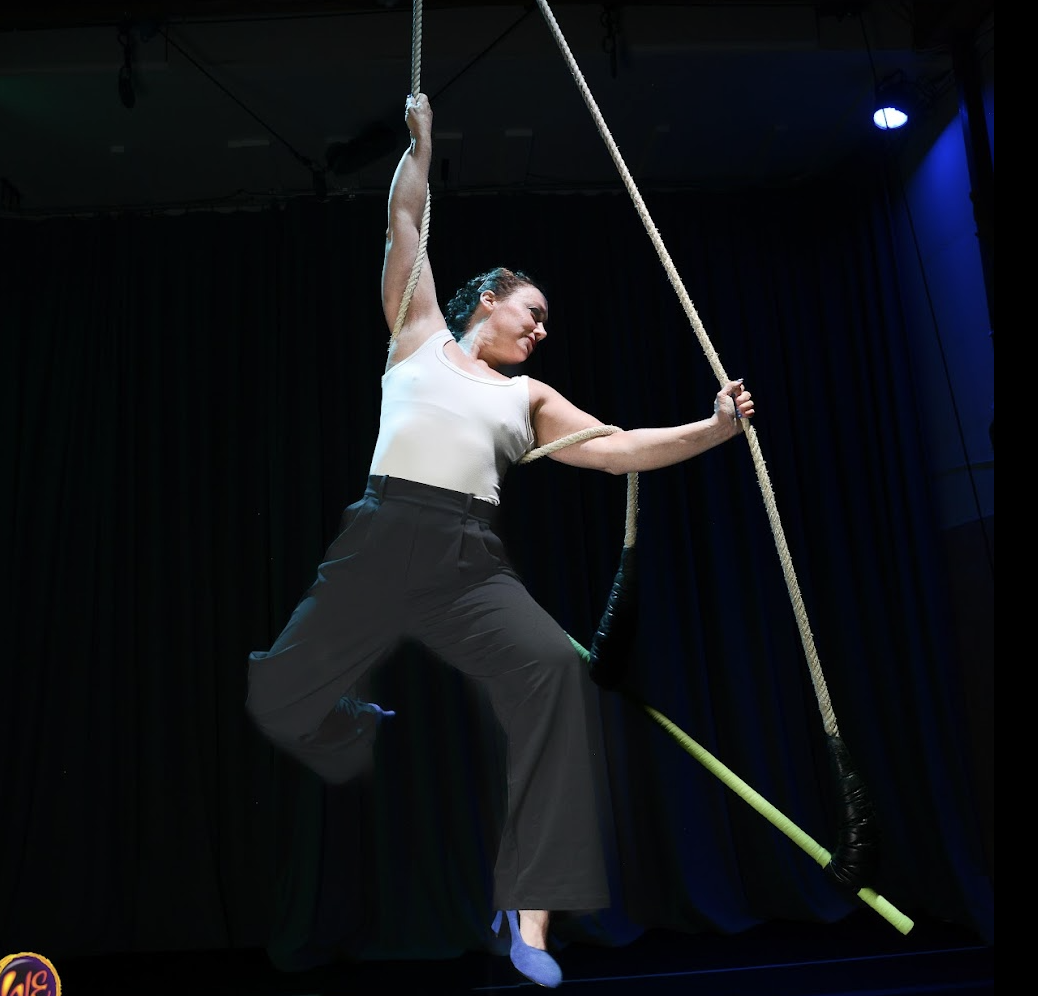
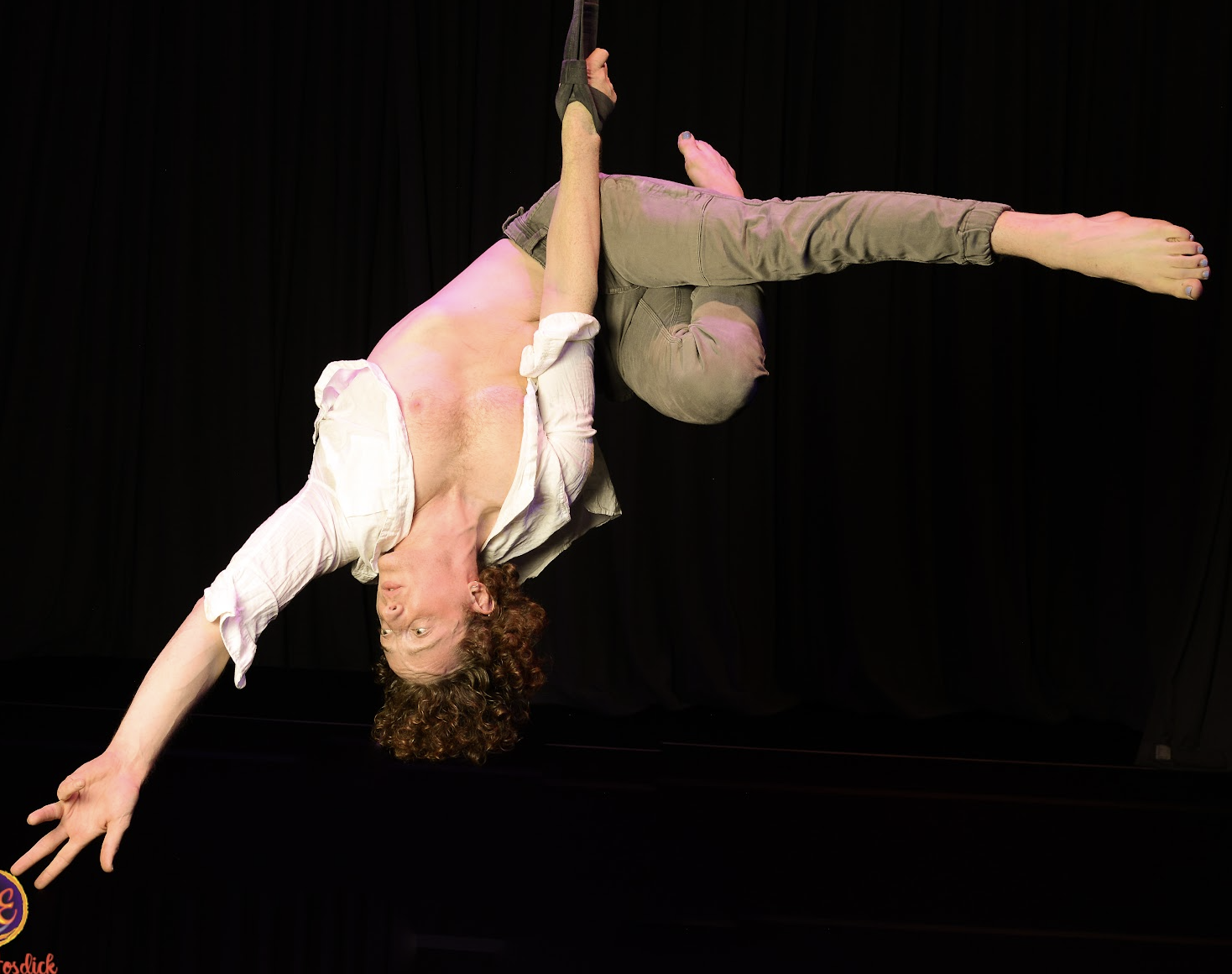
Deb found her love of performance with dance, art, and theatre as a young adult but took a hiatus to pursue a career. She returned to performance in February of 2020 and hasn't stepped away since. Deb has studied trapeze, silks, and hammock for the past six years. She loves to bring stories of characters and humanity to her performances.
-
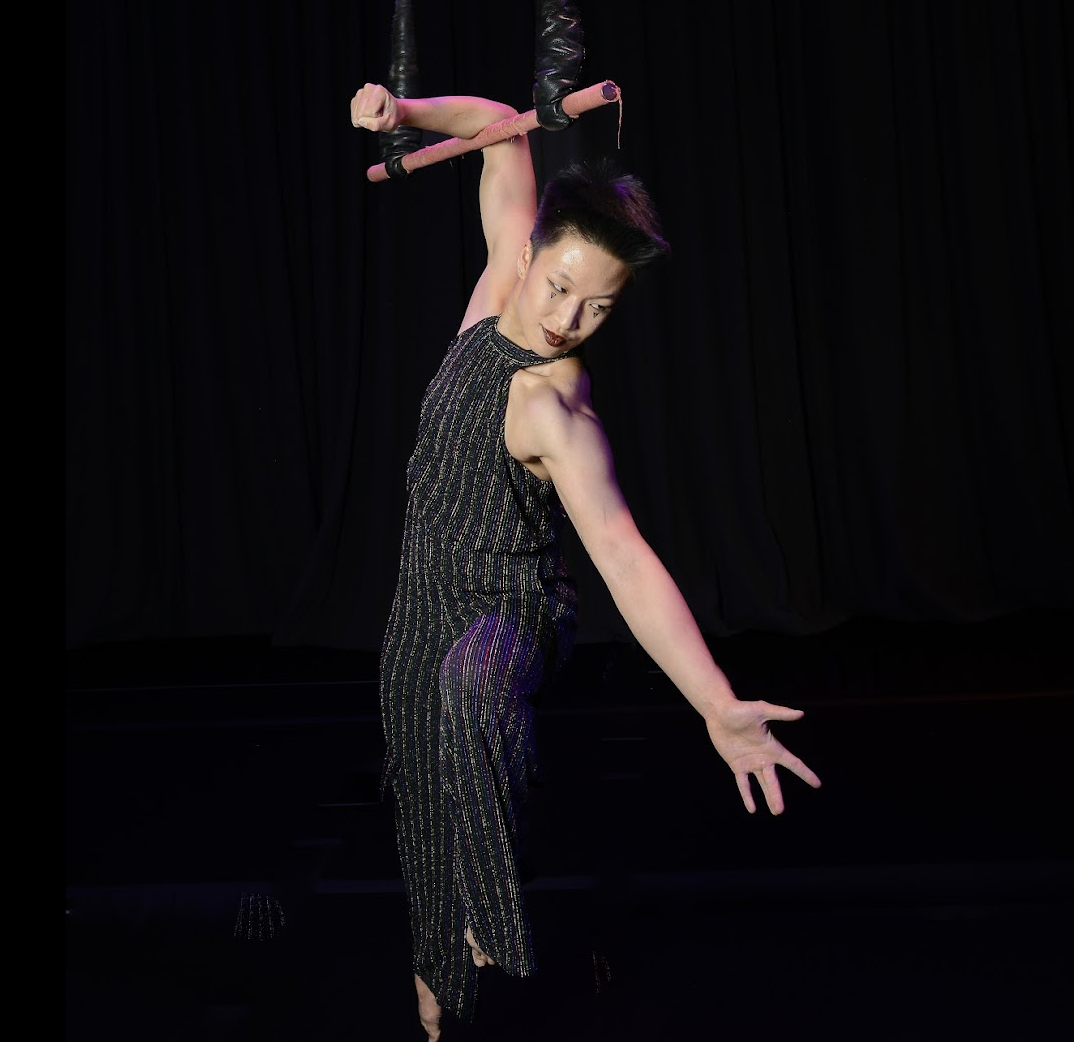
Dyllan joined the Victoria circus community in 2024. Although primarily focusing on aerial straps, he is excited to explore different disciplines, particularly in how they may be combined or blended within performance.
-
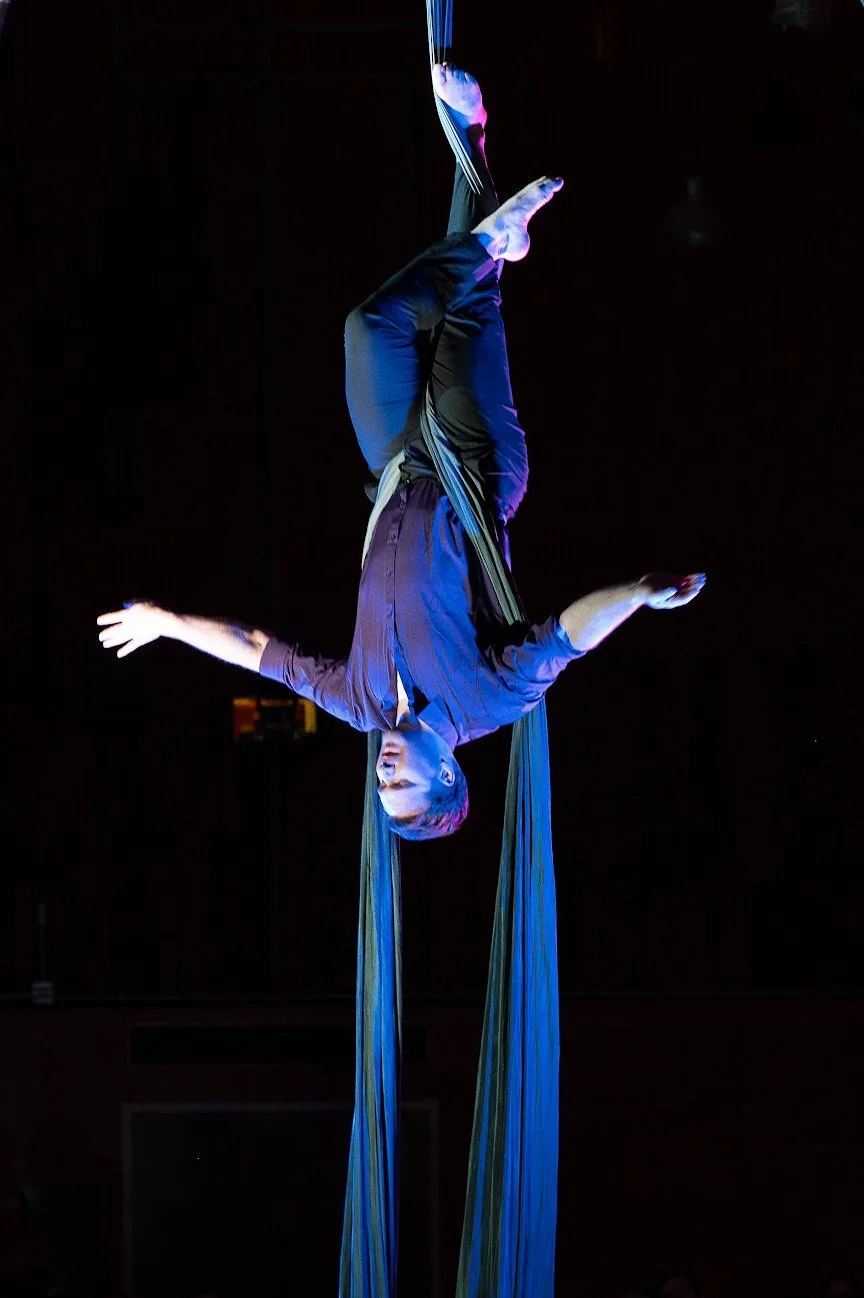
Arden specializes in dance trapeze and her training has been strongly supplemented by aerial straps among the many other forms of movement that catch her eye. Her love of trapeze stems from her determination to translate every skill she can learn from other apparatuses to the trapeze and believes that every apparatus can be a weirdly-shaped trapeze if you squint hard enough. She encourages everyone to try new things instead of pondering what-ifs because it's way more fun to give something a fair shot and faster than worrying about it. When Arden isn't training or performing, she can be found machining and plotting her next goofy scheme over food.
-
Sean Heisler found aerials in his Engineering degree, and now can’t imagine life without them. He brings energy to the stage with his dynamic tricks, and is equal parts aerialist and project manager, just like Superman and Clark Kent. Who says you can't pursue both!
Scientific Advisors
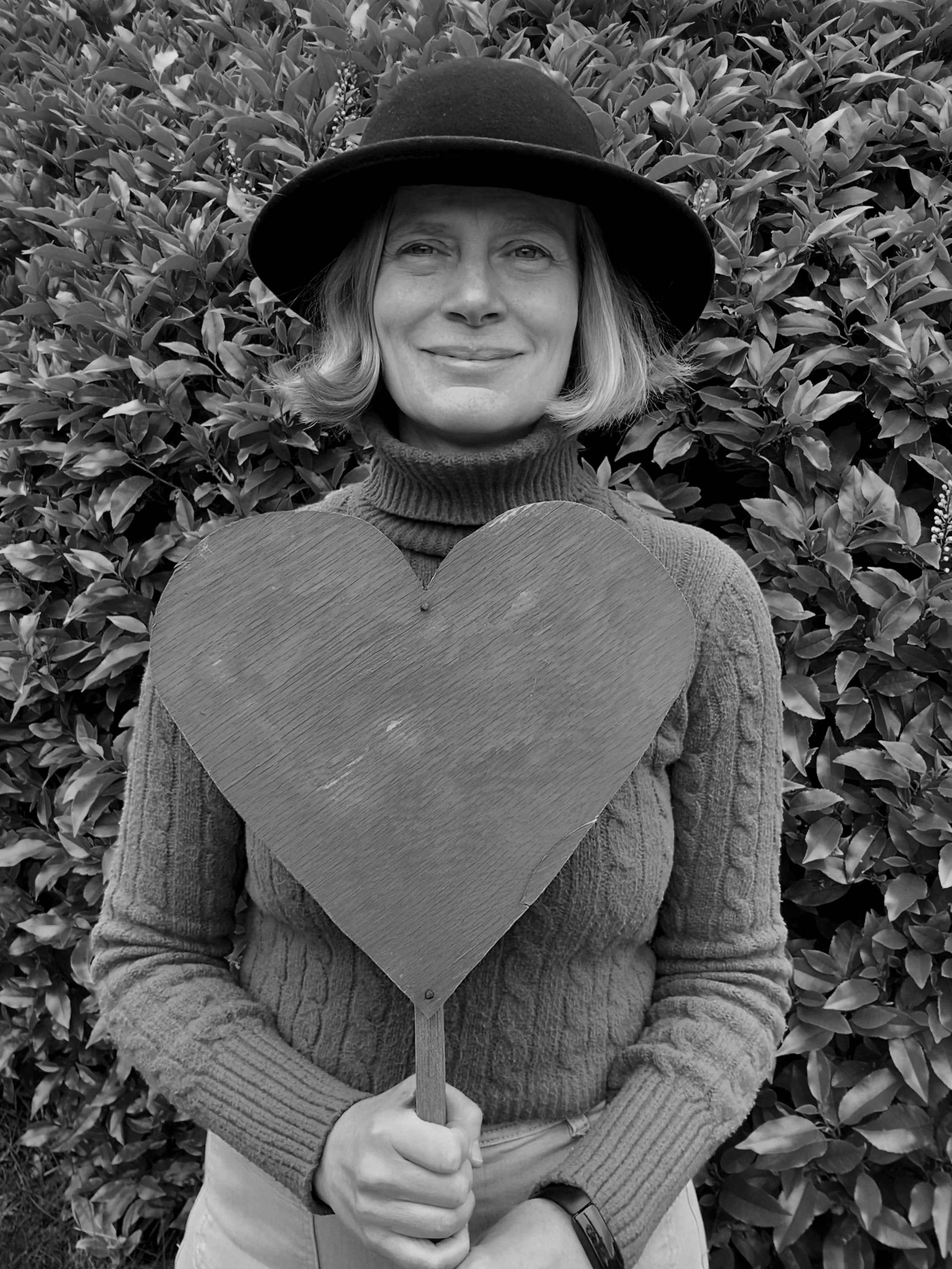
Tetjana Ross
PhD Ocean Physics Research Scientist, Institution of Ocean Sciences, Fisheries and Oceans Canada
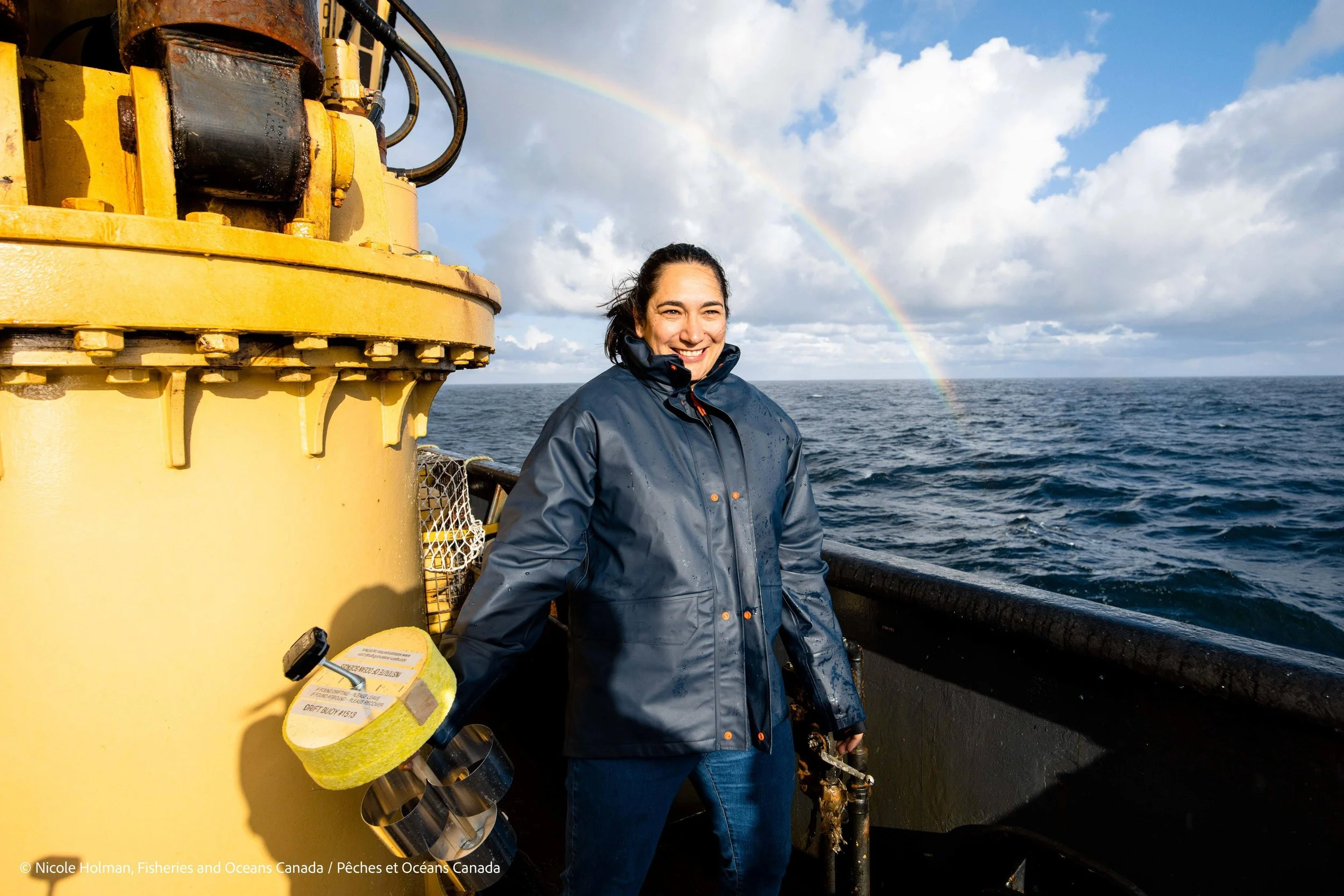
Tetjana Ross is a Research Scientist at Fisheries and Oceans Canada (DFO) and an adjunct professor at the University of Victoria, leading ocean monitoring programs in the Northeast Pacific using gliders and advanced sensors to study deep sea changes and bio-physical interactions.
Wylee Fitz-Gerald
MSc. Oceanography,
PSec Coordinator, Ocean Network Canada
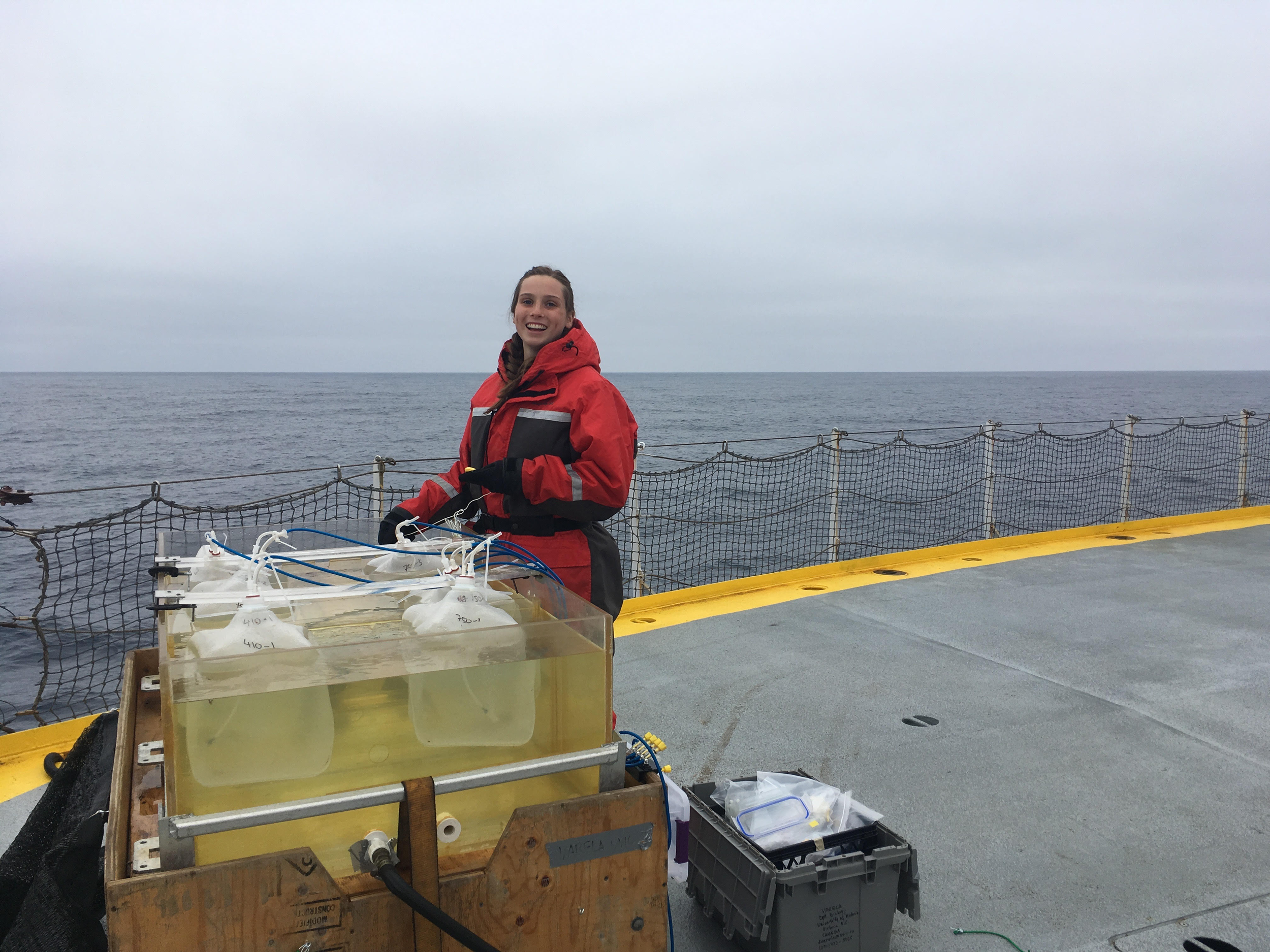
Wylee is a proud Métis oceanographer specializing in biogeochemical oceanography, with a focus on robotic profiling floats, trace metals, and phytoplankton dynamics in the ocean. As a Postsecondary Education Coordinator at Ocean Networks Canada, she helps bring real-world ocean data into university classrooms and communities. This project brings together her passions for ocean science, circus arts, and Indigenous cultures.
Heidi Gartner
MSc Marine Biology Biologist, Institution of Ocean Sciences, Fisheries and Oceans Canada
Heidi is a part of the Deep Sea Ecology Program at Fisheries and Oceans Canada and a member of the NorthEast Pacific Deep-sea Exploration Project (NEPDEP; www.nepdep.com), where theyuse submersible technologies to study seafloor ecosystems far below the sunlit surface. Once considered relatively barren, the deep sea is an exciting place of discovery with biological ‘hot spots’ of remarkable life. With each dive the NEPDEP catalogues new species and habitats, documents incredible behaviours, and learns more about human effects in even the far reaches of our planet. Our discoveries underscore the urgent need for conservation in a rapidly changing ocean where where million-year-old seamounts, thousand-year-old animals, and fast-moving climate signals collide.

Fabio De Leo
PhD Biological Oceanography, Senior Staff Scientist, Ocean Networks Canada
Fabio De Leo is a marine ecologist working with deep-sea ecosystems and biodiversity. His research focuses on the study of all sea-creatures living in the ocean’s seafloor (benthos) and how they respond to ecosystem’s natural variability and to human impacts related to climate change (including deoxygenation and marine heat waves), fishing and other exploration activities. Fabio had the privilege to participate in research expeditions in most ocean basins, including in Antarctica, and diving with manned submersibles down to 1.5 km deep into submarine canyons off Hawaii. He is passionate about all things ocean related, grew up close to the coast in Brazil, surfing, scuba diving and fishing.
Our
Partners
-
Ocean Week Victoria was launched in 2020 to connect and engage the Victoria community by providing a platform to support ocean-inspired events on southern Vancouver Island.
Ocean Week Victoria is thrilled to be connected to the larger national initiative, Ocean Week Canada, as well as to broader international initiatives including the UN World Ocean Day and the World Ocean Day (Ocean Project).
-
The PEPAKEṈ HÁUTW̱ Foundation is a W̱SÁNEĆ based non-profit organization based out the of the PEPÁḴEṈ HÁUTW̱ (Blossoming Place) Native Plant Nursery & Garden at the ȽÁU,WELṈEW̱ Tribal School.
They lead numerous restoration projects throughout the W̱SÁNEĆ homelands, in particular at SṈIDȻEȽ (Tod Inlet, Gowlland-Tod Provincial Park).
-
The purpose of the W̱SÁNEĆ Lands Trust Society (WLTS) is to provide a place for land to be returned to the W̱SÁNEĆ people who were stripped of their lands through colonization.
The WLTS furthers this goal by accepting donations of land to W̱SÁNEĆ, restoring land harmed by colonization to ecological balance, and accepting monetary donations to facilitate their work.
Our
Sponsers
-
Northwest Aquatic and Marine Educators (NAME) is a dynamic organization of professionals dedicated to sharing the world of water and using the allure of marine and freshwater places to excite audiences about learning. Their mission is to connect, engage and support people of all ages and backgrounds to learn and teach about freshwater and ocean ecosystems. Visit the British Columbia chapter to learn more about local events.
-
Wilson Diving is a local Victoria dive shop that supports recreational courses, commercial services and repairs, and dive equipment rentals.
They offer a number of courses from the beginner friendly Padi Open Water Diving course to Divemaster and everything in between.
-
Laurie and Fred, originally from Scotland and the Maritimes respectively, made the great migration from East to West. After both moved their lives to British Columbia, they met through their shared love for freediving and spearfishing.
The couple knew local snorkelers, freedivers, and spearfishers deserved a specialized shop on the island. They decided it was time to fully commit to their passion and opened their very own store in March 2023 at 839 Fisgard Street, Victoria, BC !
-
VIVA Dental is located downtown Victoria. Their primary goal is to provide you with high-quality dental care in a friendly, comfortable environment helping to keep your teeth strong and healthy at every age.
Call 250-361-8181 or visit their website to learn more!
-
Address: 2590 Cadboro Bay Road, Victoria, BC, V8R 5J2
Phone: 250 704 1137
“Accepting new patients, and now accepting Canadian Dental care plan “CDCP.”